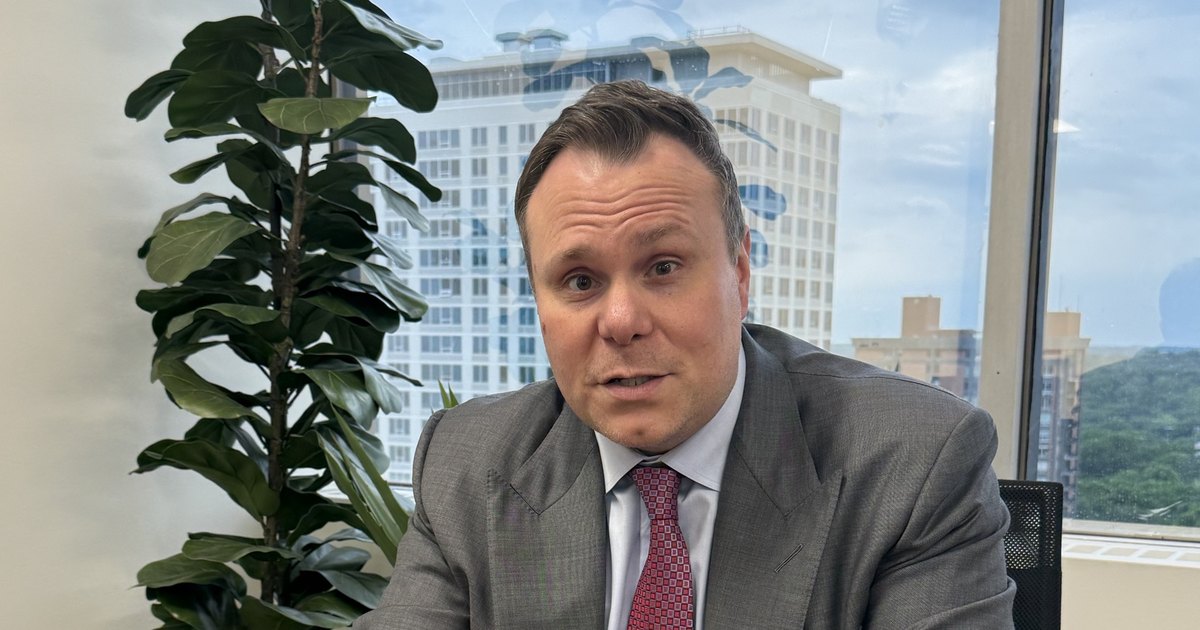
By John C. Schleiffarth, St. Louis DWI and criminal defense attorney
The holidays are supposed to be a happy time with family and friends, but they can also be stressful. A DWI arrest in St. Louis during Thanksgiving week brings enormous stress. If you’re dealing with one now, there are several clear steps to take right away. You also have effective defenses to raise which you may not know about. Being arrested is much different than being convicted.
If you were arrested for DWI over Thanksgiving, the first deadline that matters is 15 days from your arrest. That’s how long you have to challenge the automatic suspension of your Missouri driver’s license. If you miss it, you can lose your license before a judge ever hears your criminal case.
Here’s what happens after a holiday DWI arrest in St. Louis, St. Louis County, or St. Charles County, and what to do right away. For a broader overview, see our St. Louis DWI defense page.
Why DWI arrests spike over Thanksgiving in St. Louis
Thanksgiving week brings some of the heaviest DWI enforcement of the year. The night before Thanksgiving is one of the busiest drinking nights of the year. Police increase enforcement from Wednesday night through the weekend.
Many Missouri police departments have moved away from checkpoints and now run DWI saturation patrols, with dedicated units pulling over as many cars as they can to check for impairment. Officers commonly wait down the road from popular bars and gathering places. They look for people leaving to their cars who may appear to have had a few too many drinks. Once they get to their car, a driver just has to make a small traffic mistake in order to get pulled over. A rolling stop, drifting over a lane line, or a faulty taillight is enough to make a stop.
Over the 2025 Thanksgiving holiday period, the Missouri State Highway Patrol alone reported 87 DWI arrests. That count doesn’t include arrests by city and county police.
Being arrested for DWI doesn’t mean you committed a crime. You can be arrested for almost anything. The state still has to prove its case. Many people call us after a DWI arrest feeling like they’ve already been convicted. They haven’t been convicted of anything. They’re facing an allegation, and that’s where we come in.
Heavy holiday enforcement also leads to rushed field sobriety tests and paperwork errors. Catching sloppy police work and using it to your advantage is one thing we do very well, and it makes a big difference in your defense. I like to say that we know DWI arrest procedure better than the police officers do. It helps us win in court and negotiate from a position of strength and superior knowledge.
A Missouri DWI arrest starts two separate cases
The two cases run on separate tracks:
- The administrative (license) case. The Missouri Department of Revenue (DOR) moves to suspend or revoke your driver’s license. This case is civil and moves quickly.
- The criminal case. The prosecutor charges you with DWI in municipal or state court. This case decides fines, probation, and possible jail time. It also determines whether or not you get a criminal conviction.
The result in one doesn’t decide the other as they really are two separate cases that run on separate tracks. We form a effective strategy to work on both from the start. Learn more about types of driver’s license cases.
Missouri’s 15-day deadline to save your driver’s license
When you are arrested and the officer takes your license, you usually receive a Notice of Suspension/Revocation (Form 2385). That paper also serves as a temporary permit to drive for 15 days.
If you took a breath or blood test and the result was 0.08% or higher, you have 15 days from the date of the notice to request an administrative hearing. If you only take a blood test, you will typically not receive a suspension notice until after lab work has confirmed that your test result showed an estimated BAC of 0.08 or higher. That does not mean you can wait. You still want to get started on the case right away in order to preserve evidence and implement an effective defense.
If you don’t request an Administrative Hearing, the suspension takes effect automatically. Do nothing, and your driver’s license will be suspended until you fulfill several requirements and apply for reinstatement. It is much easier and much better to be proactive. For most people on a first time alcohol-related offense, that means a 30-day suspension followed by a 60-day restricted driving privilege.
Requesting the hearing keeps you driving until the hearing, makes the state prove probable cause for the arrest, and it gives us an opportunity to challenge whether the test result was a valid test result based on the procedures and protocols that officers are required to follow by state law and state regulations. We also get an early look at the police report and an opportunity to request police video before the criminal prosecutor has a chance to look at it.
Don’t wait until the last few days. Filing late can leave you with a gap when you can’t legally drive. We aim to file within the first 7 days after an arrest, and sooner is better.
See our page on DWI and your driver’s license for more detail.
If you refused the breathalyzer in Missouri
A refusal is handled differently. Under Missouri’s implied consent law, refusing a chemical test leads to a one-year license revocation. The officer gives you a 15-day permit, but the refusal case is not an administrative hearing. Instead, you challenge the refusal and revocation by filing a petition for review in the circuit court of the county where you were arrested. You have 30 days to file that petition, but your temporary permit lasts only 15. If the petition isn’t filed and a stay order requested before the permit expires, you risk a stretch of time when you can’t legally drive. A stay order lets you keep driving while the petition is pending.
St. Louis County is now a “no-refusal” county
If you were arrested in St. Louis County, there is another factor to consider. Since November 2025, the St. Louis County Prosecuting Attorney’s Office has operated a no-refusal policy. If you refuse a breath test, an on-call prosecutor can seek a warrant for a blood draw.
In practice, “no-refusal” doesn’t mean every refusal results in a warrant request. The officer has to make a judgment call. A blood draw means taking you back to the station for an EMT to draw blood or, more often, to a hospital to wait while a nurse draws the blood sample. It is often faster for an officer to give a breath test or write up the refusal and get back on the road to make more arrests. Sometimes they have to choose between safe streets and a stronger case in court after the fact.
For a first-offense DWI in St. Louis County, our general advice hasn’t changed: if you have any doubt about your sobriety, it is usually better to refuse the breath test and let us fight your case in court than to provide the police with additional evidence. A refusal does carry a one-year revocation, which we can challenge. Every situation is unique. Most people don’t know that they have a right to request an attorney prior to making a decision about whether or not to take a breath test or a blood test. We advise asking for a lawyer and getting specific advice for your specific situation before making that decision.
If the police do get a warrant and draw your blood, that blood evidence can be challenged as well. Whether the warrant was timely obtained, how the sample was drawn, stored, and tested are all important factors. Learn more about BAC testing defenses.
St. Louis-area DWI courts: Town and Country, Chesterfield, and more
Where you drive matters. Town and Country is known for some of the most aggressive DWI enforcement in Missouri, with hundreds of DWI arrests a year, and St. Louis County is also aggressive. Municipalities like Chesterfield, Kirkwood, Creve Coeur, and Ballwin write DWIs frequently and patrol regularly. The City of St. Louis, by comparison, files fewer DWIs per capita than many surrounding cities.
If you were charged in a municipal court, your first court date is typically 30 to 60 days after your arrest. If you hire an attorney, we can appear on your behalf, so you don’t have to take time off work.
Does it look better if I show up to court? People ask us this all the time, and the answer is no. On a typical municipal court night, there may be 100 people in the room with all kinds of municipal cases. The judge won’t notice whether you’re there. Instead, we pull your file and meet with the prosecutor in a separate room. We note the case, and a new court date is set without the judge ever calling your name in open court.
A first-time DWI is serious and it can carry serious consequences if it isn’t handled properly. Second and third offenses become progressively more serious. The same issues are always at stake: your driver’s license, your job, your criminal record, and possible jail time. Avoiding jail time is a priority in every case we handle.
What to do in the first 15 days after a DWI arrest
- Find your paperwork. Locate the Notice of Suspension/Revocation, your ticket or summons, and any bond paperwork. Note your arrest date.
- Write down what happened. While it’s fresh, record where you were, what you ate and drank and when, the reason for the stop, the field sobriety tests, and what the officer said. Details fade fast.
- Don’t talk about your case. Don’t post about the arrest on social media or discuss it with anyone but your attorney.
- Talk to a DWI lawyer before the deadline. Your attorney can request the hearing or file the petition for review, preserve video evidence, and start building your defense.
- Don’t plead guilty at your first court date. Make sure you understand the evidence and your options. Hire an experienced and capable attorney who practices DWI defense.
How we defend DWI cases in St. Louis
Every DWI case has its own unique facts. After a free consultation, we put together an effective strategy and plan for you. Common defenses include:
- The stop. Police need reasonable suspicion to pull you over. A checkpoint must follow proper procedures.
- Field sobriety tests. Cold weather, uneven roads, footwear, age and medical conditions all affect results. See our page on field sobriety tests.
- The breath or blood test. Machine maintenance, operator certification, the observation period, mouth check and blood draw timing all matter.
- Bodycam and dashcam video. Video often contradicts the written report.
Read more about our DWI defense strategies.
Talk to a St. Louis DWI lawyer today
The 15-day clock started when you were arrested. JCS Law has handled more than 2,000 DWI cases across St. Louis, St. Louis County, St. Charles County, and surrounding Missouri counties.
We’re open Thanksgiving week. Even when we’re out of the office, we answer calls and return messages. Once you retain us, we start work on your case right away.
Call 314-561-9690 or contact us online for a free consultation in person, by phone, or by video. We accept credit cards and offer flexible payment terms.
Thanksgiving DWI questions: St. Louis and Missouri
How long do I have to save my license after a DWI arrest in Missouri?
Generally 15 days. If you took a breath or blood test, you must request an administrative hearing within 15 days of the notice. If you refused, you have 30 days to file a petition for review in circuit court, but your temporary permit lasts only 15 days. File early and seek a stay so you don’t lose the ability to drive in between.
Will I lose my license for a first DWI in Missouri?
If you don’t challenge it, a first alcohol-related offense usually brings a 30-day suspension followed by 60 days of restricted driving. Requesting a hearing lets you keep driving while the state has to prove its case.
What happens if I refused the breathalyzer in St. Louis County?
A refusal triggers a one-year license revocation. St. Louis County has had a no-refusal policy since November 2025. Police may request a warrant for a blood draw. Both the revocation and the blood evidence can be challenged. Always ask for a lawyer before you make a decision on whether or not to provide a breath or blood test. You can ask for independent testing following a test by law enforcement.
Can I still drive to work after a DWI arrest?
Often, yes. Your temporary permit covers the first 15 days, and a timely hearing request or a stay order can keep you driving while your case is pending. If a suspension does take effect, you may qualify for restricted or limited driving privileges. Don’t go to the DMV and ask for a state ID if the police have taken your physical license from you. Missouri is a single-ID state, and requesting a state ID can nullify your driver’s license.
Is a Thanksgiving DWI checkpoint legal?
Sobriety checkpoints are legal in Missouri if police follow proper procedures, though many departments now use saturation patrols instead. A checkpoint that doesn’t follow proper procedures can be grounds to challenge the stop.
Do I need a lawyer for a first-offense DWI?
A DWI conviction can affect your license, insurance rates, job, and record for years. An attorney can protect your license, fight the state’s evidence, and work toward a successful result that keeps a conviction off your record and limits the damage of a DWI charge.
Award winning
law firm





120 S Central Ave #1550
St. Louis MO 63105